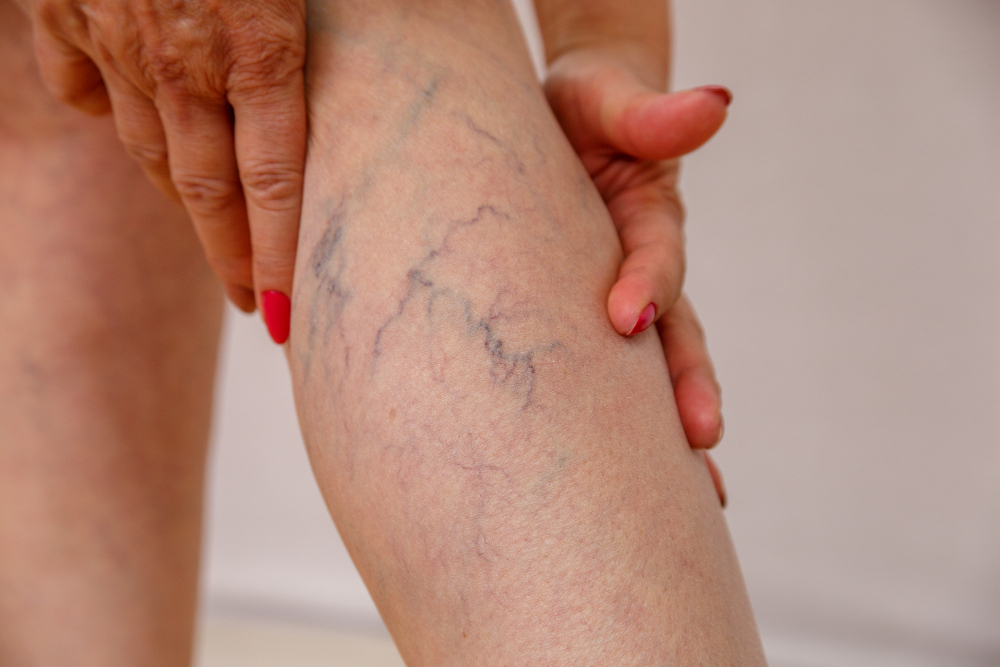
Varicose veins laser ablation is a modern treatment for swollen, twisted veins. This minimally invasive varicose vein treatment uses laser energy to close off problem veins. As a result, blood flows through healthier veins, and symptoms improve. Many people choose laser therapy for varicose veins because it is safe and effective. In this blog, you will learn about the procedure, who needs it, its benefits, risks, and recovery after varicose veins laser ablation.
What Is Varicose Veins Laser Ablation?
Varicose veins laser ablation is a medical procedure that treats varicose veins using laser energy. During the treatment, a doctor inserts a thin fiber into the affected vein. Then, the laser heats the vein from inside, causing it to close. Over time, the body absorbs the closed vein. Meanwhile, blood moves to nearby healthy veins. According to the American College of Phlebology, this method is safe and effective for most patients.
Who Needs This Procedure?
Not everyone with varicose veins needs laser ablation. However, some people benefit more than others. You may need this procedure if:
Always talk to your doctor to see if laser therapy for varicose veins is right for you.
How the Procedure Works
First, your doctor will numb the area around the vein. Next, a small cut is made in the skin. Then, a thin laser fiber is placed inside the vein. The doctor turns on the laser, which heats and closes the vein. After the vein closes, the fiber is removed. The cut is covered with a small bandage. Most people go home the same day. The whole process usually takes less than an hour.
Benefits of Laser Ablation
Laser ablation offers many advantages over traditional surgery. For example, you may notice:
Because it is minimally invasive, many people prefer this treatment.
Risks and Side Effects
Although laser ablation is safe, some risks exist. You should know about possible side effects, such as:
Most side effects are mild and go away in a few days. However, always contact your doctor if you notice severe pain, redness, or swelling.
Recovery and Aftercare
After laser ablation, you can usually walk right away. Still, follow your doctor’s advice for the best recovery after varicose veins laser ablation. Here are some common aftercare steps:
Most people return to work and normal activities within a few days. According to the CDC, walking helps speed up healing and lowers the risk of blood clots.
Prevention and Lifestyle Tips
Even after treatment, you can take steps to prevent new varicose veins. For example:
These habits can help keep your legs healthy and reduce your risk of future vein problems.
In summary, varicose veins laser ablation is a safe, effective, and minimally invasive treatment. If you have painful or unsightly veins, consult a radiology specialist to discuss if laser ablation is right for you.