
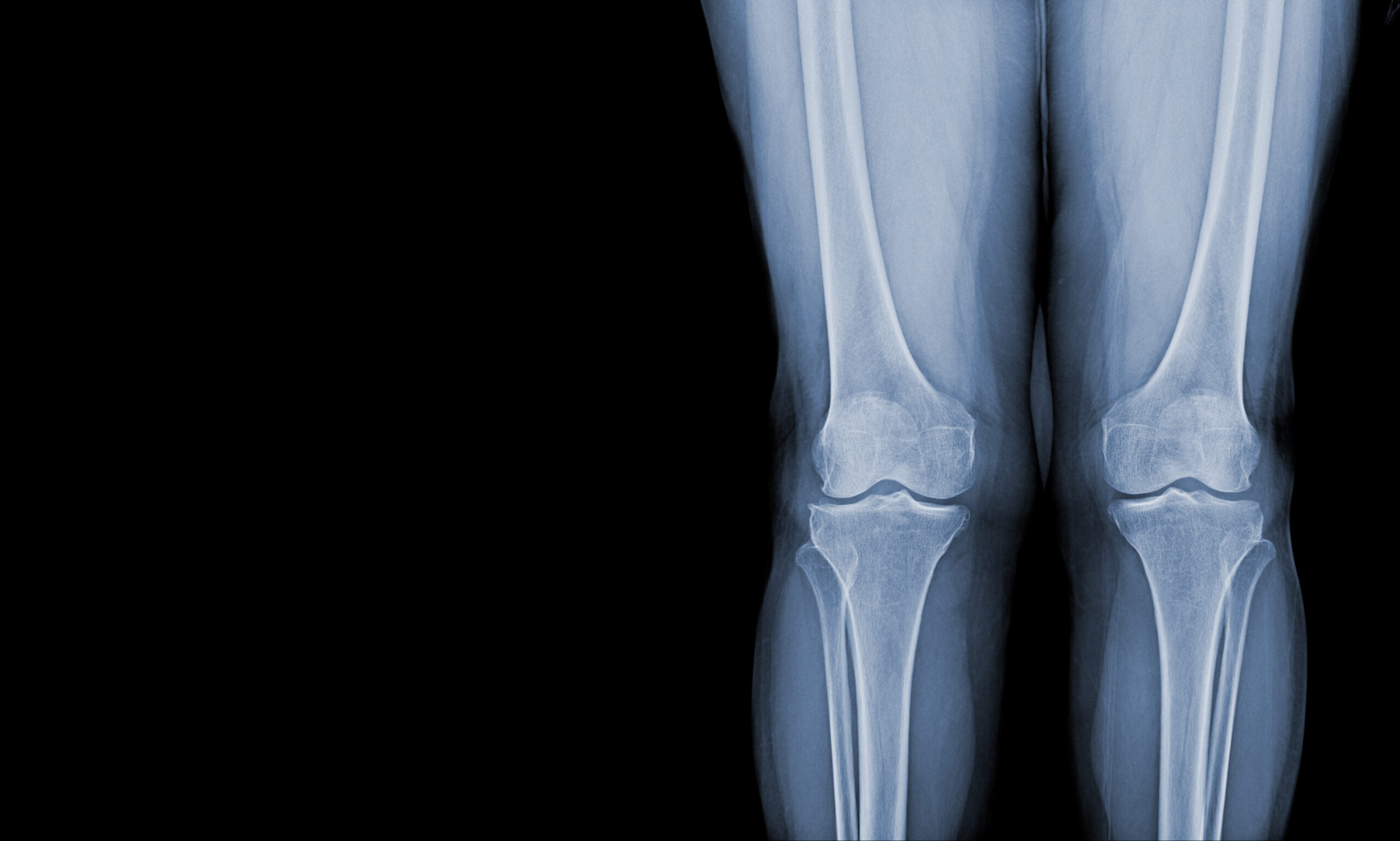
A scanogram is a special type of X-ray test. Doctors use it to measure the length of bones, usually in the legs. This scanogram procedure helps find differences in bone length. Because of this, it is important for planning treatments. Many people wonder about scanogram uses, safety, and preparation. In this blog, you will learn all about scanograms and when you might need one.
What Is a Scanogram?
First, a scanogram is a simple imaging test. It takes X-ray pictures of your bones. Usually, it focuses on the legs or arms. The main goal is to measure bone length. Sometimes, doctors call it a “long bone measurement.” Unlike regular X-rays, a scanogram takes several images in a row. This gives a clear view of the whole bone. As a result, doctors can spot any differences in bone length.
Why Is a Scanogram Performed?
Doctors order a scanogram for several reasons. For example, it helps if someone has one leg shorter than the other. This is called limb length discrepancy. Also, it is useful for planning surgeries or checking bone growth in children. In addition, a scanogram can help after an injury or bone disease. Here are some common scanogram uses:
How Does a Scanogram Work?
During a scanogram procedure, the X-ray machine takes several images. Usually, it moves along the length of your leg or arm. Each image covers a small part of the bone. Then, the images are joined together. This creates a full picture of the bone. Because of this, doctors can measure the bone very accurately. The process is quick and painless. Most scanograms take less than 15 minutes.
What to Expect During a Scanogram
Before the scanogram, you may need to remove jewelry or metal objects. Next, you will lie down or stand, depending on the area being scanned. The technologist will help you get into the right position. Then, the X-ray machine will take pictures at different spots along your limb. You may need to stay still for a few minutes. After the scanogram, you can return to your normal activities right away.
Benefits and Limitations of Scanogram
Scanograms offer many benefits. For instance, they provide accurate bone measurements. They are quick and do not cause pain. Also, scanograms use less radiation than some other tests. However, there are some limitations. For example, scanograms only show bones, not soft tissues. Sometimes, very small differences in bone length may be hard to detect. Here is a summary:
Safety and Risks
Scanogram safety is a common concern. The test uses a small amount of X-ray radiation. According to the World Health Organization (WHO), the risk from this low dose is very small. Still, doctors avoid unnecessary X-rays, especially in children and pregnant women. If you are pregnant or think you might be, tell your doctor before the scanogram. For most people, the scanogram is safe and well-tolerated.
Preparing for a Scanogram
Scanogram preparation is easy. Usually, you do not need to fast or change your routine. However, you should wear comfortable clothing. Remove any metal objects, such as belts or jewelry. Sometimes, the technologist may ask you to change into a gown. If you have questions about the scanogram procedure, ask your doctor or the technologist before the test.
Frequently Asked Questions About Scanogram
In summary, a scanogram is a safe and helpful test for measuring bone length. It is quick, accurate, and easy to prepare for. If you have concerns about your bones or limb length, consult a radiologist for personalized advice about scanograms.