
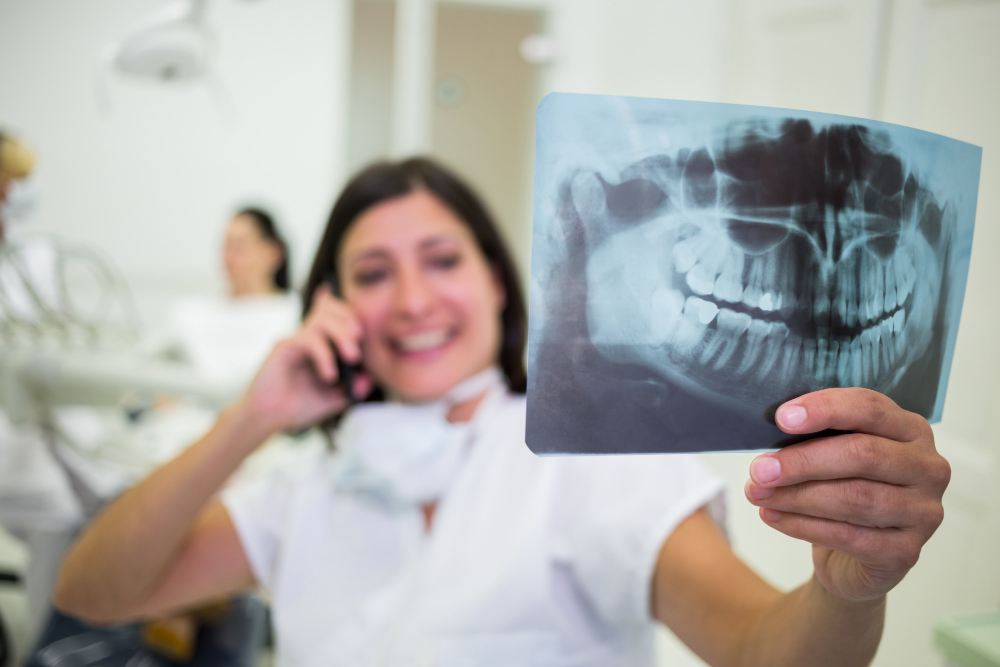
What is a Dental OPG?
A Dental OPG, also called an orthopantomogram, is a special type of dental x-ray. It gives a wide view of your mouth in one image. This includes your teeth, jaws, and surrounding bones. Because it shows so much, dentists often use it to check your oral health. Panoramic dental imaging is another name for this test. Many people get a Dental OPG before dental treatments or surgery.
How Does a Dental OPG Work?
During a Dental OPG, a machine moves around your head. It takes a single, sweeping x-ray of your mouth. The process is quick and painless. The x-ray beam captures both your upper and lower jaws in one picture. As a result, your dentist can see all your teeth and jawbones at once. This helps spot problems that may not be visible in a regular dental x-ray.
Common Reasons for Getting a Dental OPG
There are many reasons why your dentist may suggest a Dental OPG. For example, it helps with:
Because it shows a full view, a Dental OPG is useful for many dental issues.
What to Expect During the Procedure
First, you will stand or sit in front of the OPG machine. Next, you will bite gently on a small plastic piece to keep your mouth steady. The machine will then move slowly around your head. You must stay still for a few seconds. The whole process usually takes less than five minutes. Afterward, you can return to your normal activities right away.
Benefits and Limitations of Dental OPG
Dental OPG offers several benefits:
However, there are some limitations:
Therefore, your dentist may use other x-rays for a closer look if needed.
Safety and Risks
Dental OPG uses a low dose of radiation. According to the World Health Organization, dental x-rays are safe when used properly. Still, dentists avoid unnecessary x-rays, especially for children and pregnant women. If you are pregnant, always tell your dentist before the test. The risk from a Dental OPG is very low, but it is important to use it only when needed.
How to Prepare for a Dental OPG
Preparing for a Dental OPG is easy. Usually, you do not need to do anything special. However, you should:
Because the procedure is quick, you can eat and drink as usual before your appointment.
Frequently Asked Questions About Dental OPG
Conclusion
In summary, a Dental OPG is a safe and helpful tool for checking your oral health. It gives your dentist a complete view of your teeth and jaws. If you have questions or need a Dental OPG, consult your dentist or radiologist for personalized advice.