
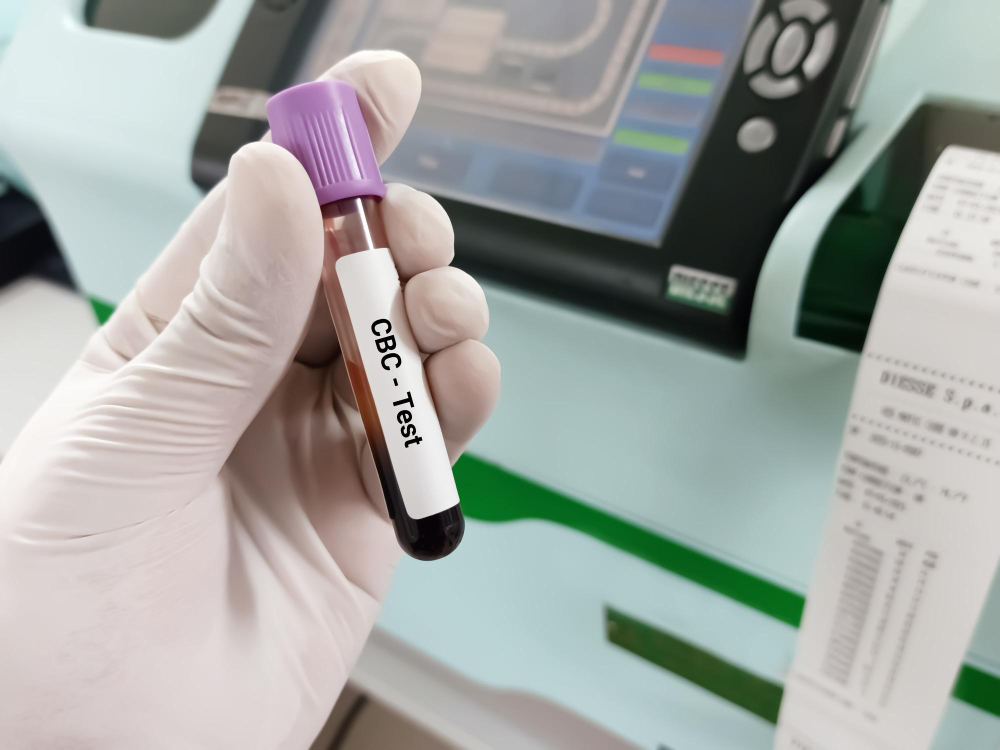
What is a Complete Blood Count (CBC)?
A Complete Blood Count (CBC) is a common blood test. It measures different parts of your blood. For example, it checks red blood cells, white blood cells, and platelets. Doctors use this test to look for signs of many health issues. Because it gives a broad picture, a CBC is often one of the first tests ordered. The CBC blood test meaning is simple: it helps doctors understand your overall health.
Why is a CBC Ordered?
Often, doctors order a CBC for many reasons. Sometimes, it is part of a routine checkup. Other times, it helps find the cause of symptoms like tiredness, weakness, or fever. In addition, a CBC can help monitor certain health conditions. For example, it is useful for checking how well treatments are working. Understanding blood test results can help you know why your doctor suggests this test.
Key Components of a CBC
Each part of a CBC gives different information. Here are the main components:
Because each part has a normal range, knowing normal CBC values is important. Your doctor will compare your results to these ranges.
What Do CBC Results Mean?
After your test, you will get a report with numbers for each part. But what does a CBC show? It shows if your blood cells are too high, too low, or just right. For example, a low red blood cell count may mean anemia. On the other hand, a high white blood cell count can point to infection. If your platelets are low, you may bleed more easily. However, high platelets can mean other health issues. Always remember, only a doctor can explain what your results mean for you.
Common Reasons for Abnormal CBC Results
Sometimes, CBC results are not in the normal range. There are many reasons for this. For instance, these can include:
Because many things can affect your CBC, your doctor may order more tests if results are abnormal.
How to Prepare for a CBC Test
Usually, you do not need to do much to get ready for a CBC. Most people can eat and drink as normal. However, some doctors may ask you to fast if other tests are done at the same time. You should tell your doctor about any medicines or supplements you take. Sometimes, these can change your results. For example, certain drugs may affect your blood cell counts. If you have questions, always ask your healthcare provider before your test.
When to Discuss CBC Results with Your Doctor
After you get your CBC results, you may wonder what they mean. If your numbers are outside the normal CBC values, it is important to talk with your doctor. Even if you feel fine, abnormal results can signal a health issue. For example, low hemoglobin can mean you need more iron. On the other hand, high white blood cells may mean an infection. Because only a doctor can give you the full picture, always review your results with them. This way, you can understand what steps to take next.