
Varicose Veins Laser Ablation: Procedure, Benefits, and Recovery
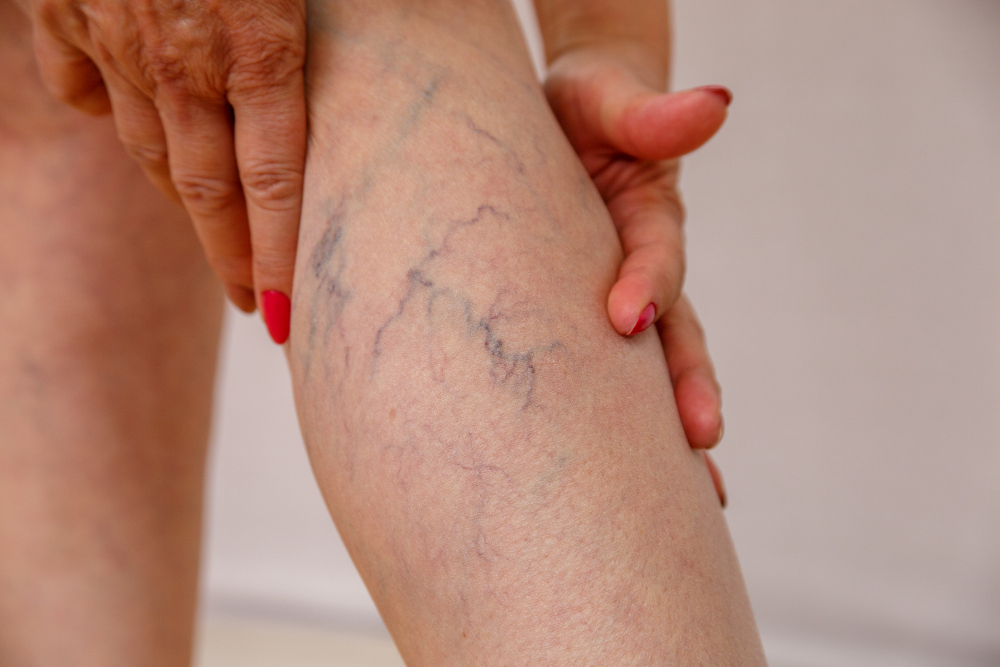
Varicose veins laser ablation is a modern treatment for swollen, twisted veins. This minimally invasive varicose vein treatment uses laser energy to close off problem veins. As a result, blood flows through healthier veins, and symptoms improve. Many people choose laser therapy for varicose veins because it is safe and effective. In this blog, you […]
Scanogram: What It Is, How It Works, and When You Need One
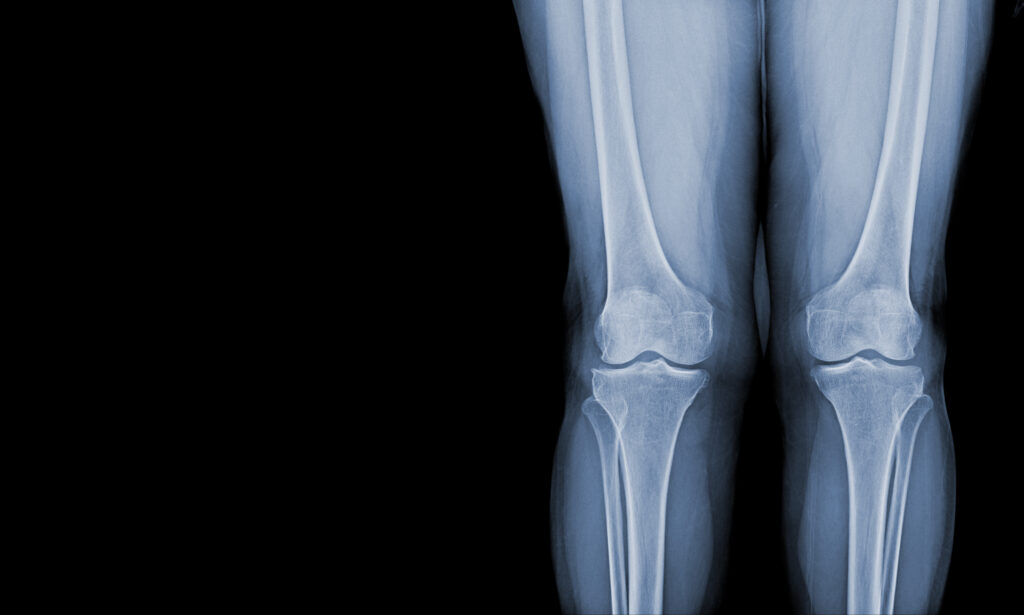
A scanogram is a special type of X-ray test. Doctors use it to measure the length of bones, usually in the legs. This scanogram procedure helps find differences in bone length. Because of this, it is important for planning treatments. Many people wonder about scanogram uses, safety, and preparation. In this blog, you will learn […]
The Future is Clear: Ultrasonography (USG) and Thyroid Nodules Detection
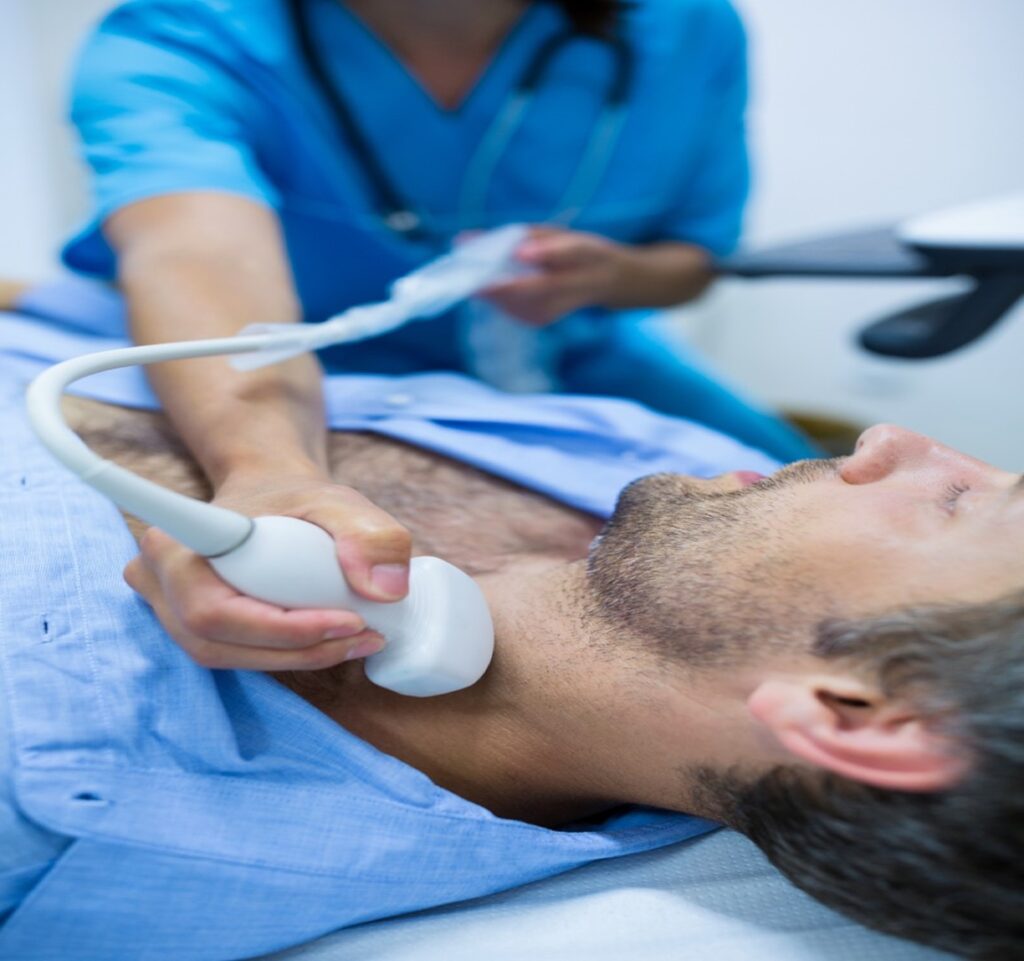
Thyroid disorders have emerged as a significant health concern globally. With the rising incidence of thyroid nodules, it’s crucial that healthcare practitioners, especially radiologists, have an in-depth understanding of the most effective diagnostic tools available. Among these tools, ultrasound-guided (USG) biopsies have carved out a pivotal space. The utility of USG in thyroid management is […]
Fetal Reduction: Navigating Choices for Safer Outcomes
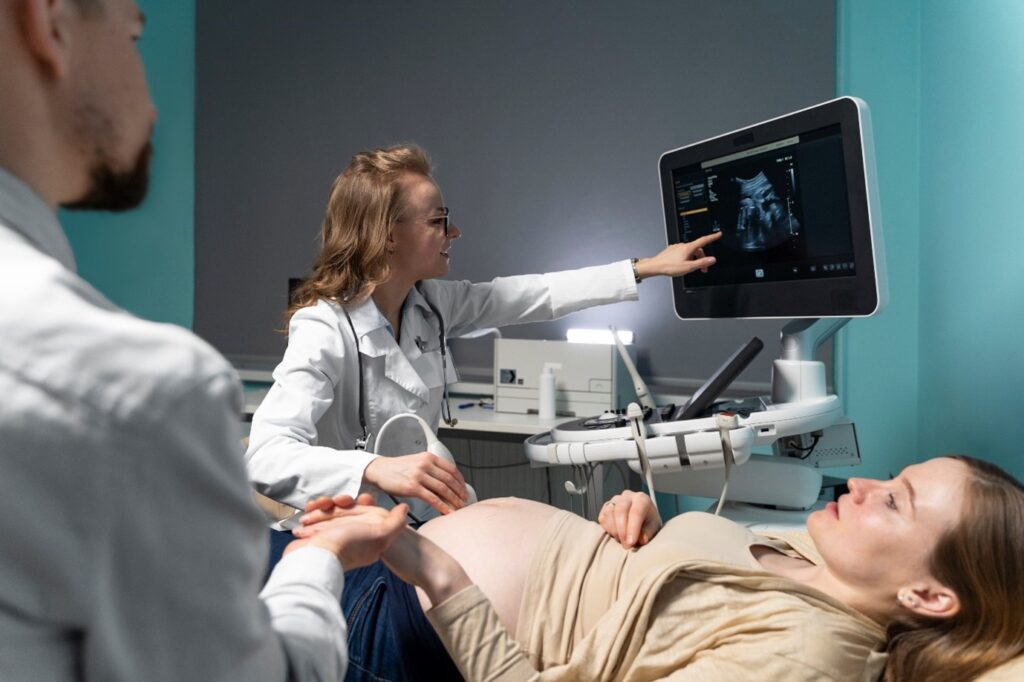
In the realm of maternal-fetal medicine, the practice of fetal reduction stands as a nuanced and ethically complex procedure. This overview article delves into the key aspects of fetal reduction, shedding light on its purpose, methods, considerations, and impact on both medical and emotional fronts. Understanding Fetal Reduction: Fetal reduction, also known as selective reduction, is […]
Amniocentesis: Empowering Informed Prenatal Choices
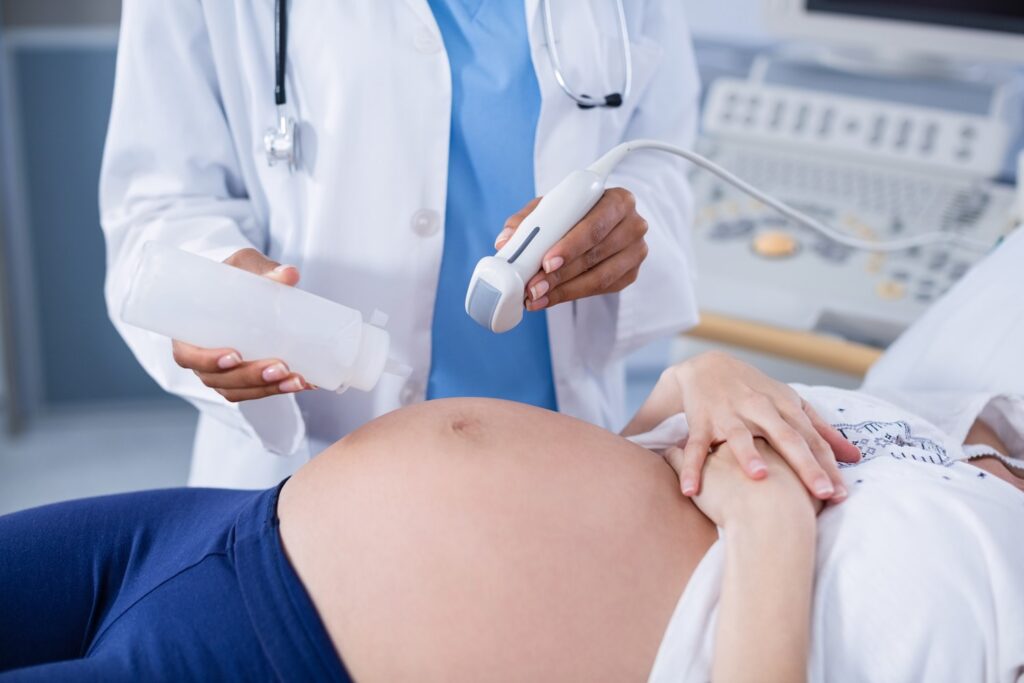
Amniocentesis, a cornerstone of prenatal care, provides vital insights into the health of both mother and fetus. By extracting a small amount of amniotic fluid containing fetal cells, healthcare professionals can detect genetic disorders and ensure a healthy pregnancy journey. Key Reasons for Amniocentesis Recommendation Benefits of Amniocentesis Amniocentesis Procedure Overview The test is performed […]
CT KUB (Computed Tomography Kidneys, Ureters, and Bladder): A Comprehensive Overview
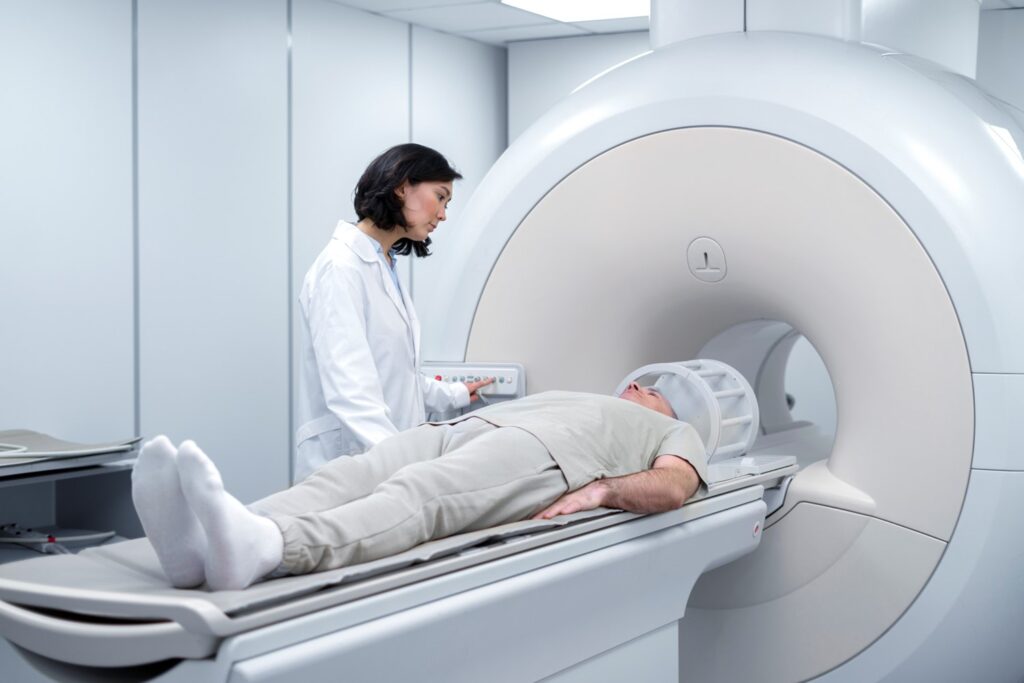
CT KUB, also known as Computed Tomography Kidneys, Ureters, and Bladder, is an advanced medical imaging technique that has revolutionized the diagnosis and evaluation of conditions affecting the urinary system. Using a combination of X-rays and computer processing, CT KUB provides detailed cross-sectional images of the kidneys, ureters, and bladder, enabling healthcare professionals to make […]
Hysterosalpingography (HSG): A Comprehensive Guide to Reproductive Health Imaging

Hysterosalpingography (HSG) is a medical procedure used to examine the uterus and fallopian tubes in females. It is a type of X-ray imaging that involves the use of a contrast dye to visualize the reproductive organs. The procedure is typically performed to assess the fallopian tubes’ patency (whether they are open or blocked) and to […]
Digital X-Rays: Illuminating the Path to Precision and Efficiency in Medical Imaging
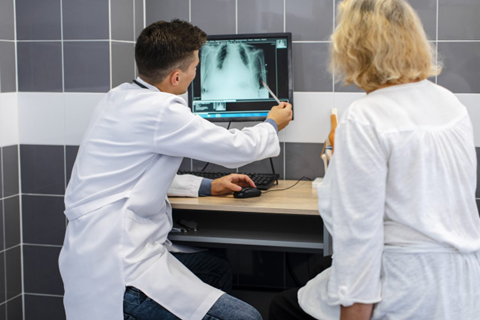
Digital X-rays have revolutionized medical imaging, providing healthcare professionals with a powerful tool to see inside the human body. Unlike traditional X-rays that use film, digital X-rays utilize electronic sensors to capture images. In this article, we’ll explore the fascinating world of digital X-rays, their benefits, and how they enhance patient care. What are Digital […]
Importance of Fetal Anomaly Scan (Mid-Pregnancy Scan)
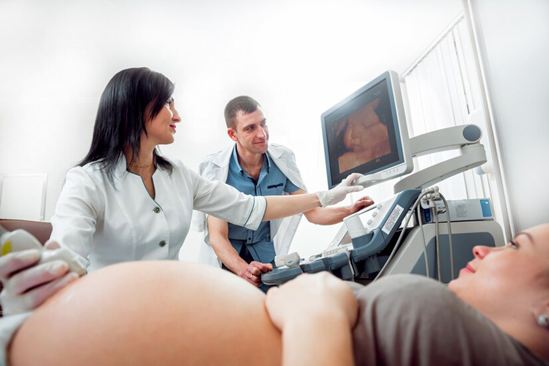
Anomaly scan is carried out between 18-20 weeks of pregnancy. The purpose of the scan is to monitor the development of the fetal organs and identify birth defects The 20th week is crucial for both mother and the baby, and you should never miss the anomaly scan. Aim of the Anomaly Scan Every pregnant woman […]
Exploring Liver Elastography: Non-Invasive Evaluation of Liver Stiffness and Fibrosis
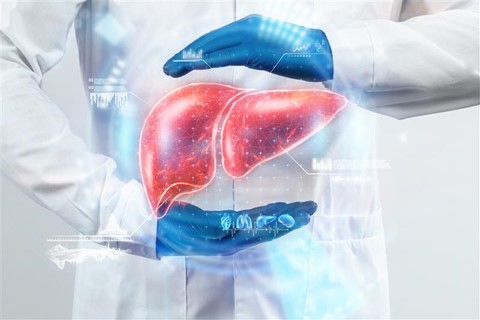
Liver elastography is a non-invasive imaging technique used to assess the stiffness or elasticity of the liver. It is primarily employed to evaluate liver fibrosis, which is the accumulation of scar tissue in the liver due to chronic liver diseases such as hepatitis B or C, alcoholic liver disease, non-alcoholic fatty liver disease (NAFLD), and […]