
What is Teleradiology?
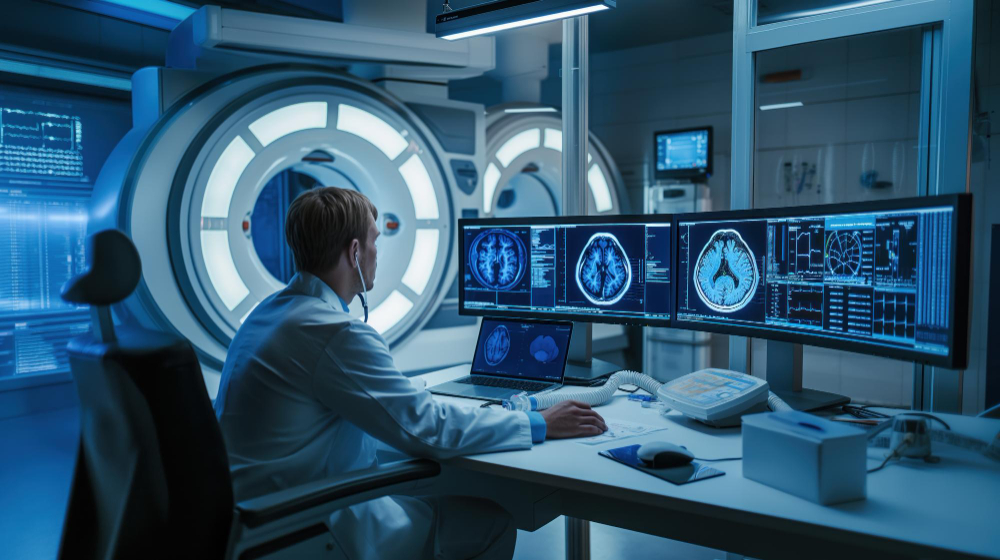
Teleradiology is a way to send medical images, like X-rays or CT scans, from one place to another. Doctors use computers and secure internet connections to share these images. As a result, experts can review and report on scans even if they are far away. This process is called remote radiology reporting. For many hospitals, teleradiology helps when they do not have a radiologist on site. According to the World Health Organization, teleradiology is safe and effective when used properly.
How Teleradiology Speeds Up Diagnostic Reporting
With teleradiology, images reach radiologists quickly, no matter where they are. Because of this, doctors can get reports faster than before. In emergencies, this speed can help save lives. For example, a hospital in a small town can send scans to a city specialist in minutes. As a result, patients do not have to wait long for answers. Additionally, teleradiology allows hospitals to offer 24/7 reporting. This means patients can get care at any time, even at night or on weekends.
Accuracy Improvements with Teleradiology
Not only does teleradiology speed up care, but it also improves accuracy. Many teleradiology services use teams of expert radiologists. Because of this, scans are reviewed by specialists with years of experience. In some cases, more than one expert checks the images. This double-checking helps reduce mistakes. Furthermore, digital tools can enhance images, making it easier to spot problems. Studies in medical journals show that teleradiology accuracy matches or even exceeds traditional methods.
Common Applications of Teleradiology
Teleradiology is used in many areas of medicine. For instance, it helps in emergency rooms, where quick answers are vital. It is also used in rural clinics that lack full-time radiologists. Additionally, teleradiology supports night and weekend coverage in busy hospitals. Some common uses include:
Benefits for Patients and Healthcare Providers
There are many benefits of teleradiology for both patients and doctors. First, patients get results faster, which can lower stress. Second, they have access to top specialists, even if they live far away. Third, hospitals can save money by sharing resources. For healthcare providers, teleradiology means they can offer round-the-clock care. Moreover, it helps balance workloads among radiologists, reducing burnout.
Challenges and Limitations of Teleradiology
While teleradiology has many strengths, it also faces some challenges. For example, internet problems can delay image transfer. In addition, some hospitals may worry about keeping patient data safe. Sometimes, doctors and radiologists cannot talk face-to-face, which may slow down decisions. Also, not every scan is easy to send or read online. The Centers for Disease Control and Prevention notes that training and clear rules help reduce these risks.
Future Trends in Teleradiology
Looking ahead, teleradiology will likely keep growing. New technology, such as artificial intelligence, may help spot problems even faster. As more hospitals use digital tools, sharing images will become easier. In many places, laws are changing to support safe and secure teleradiology. For example, some cities now require hospitals to offer remote radiology reporting. As a result, more patients will benefit from faster and more accurate care. Experts expect teleradiology to play a key role in the future of medicine.