
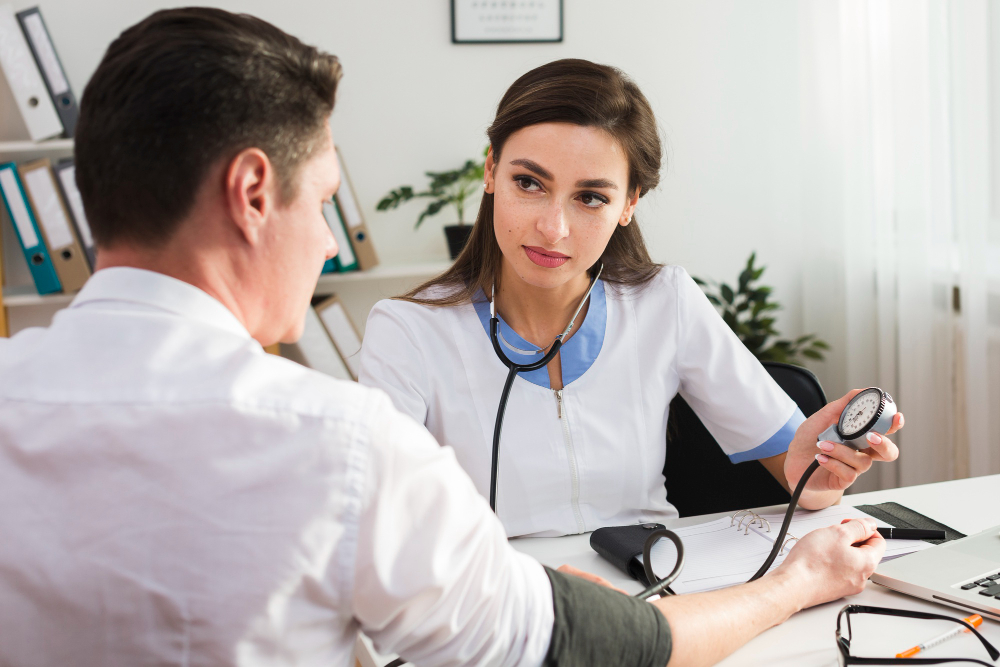
What Is Preventive Health Screening?
Preventive health screening means checking for health problems before you feel sick. Instead of waiting for symptoms, doctors use tests to find issues early. These checks can spot diseases like cancer, heart problems, or bone loss. Because many illnesses start quietly, screening helps you stay ahead. Preventive health screening gives you a better chance to treat problems early. This approach keeps you healthier for longer.
How Radiology Supports Early Detection
Radiology uses images to look inside your body. For example, X-rays, ultrasounds, CT scans, and MRIs are common tools. These tests help doctors see things that are not visible from the outside. With radiology, doctors can find small changes before you notice any symptoms. As a result, early detection through radiology can save lives. Many hospitals and clinics offer preventive health screening in their radiology departments.
Why Waiting for Symptoms Can Be Risky
Often, diseases grow slowly and quietly. You may not feel pain or notice changes until the problem is serious. For instance, cancers or heart disease can develop for years without signs. If you wait for symptoms, treatment may be harder. Early screening finds problems before they become dangerous. Therefore, acting early gives you more options and better results.
Benefits of Early Screening
According to the CDC, early screening can lower the risk of dying from many diseases. For example, breast and colon cancer screenings have saved thousands of lives.
Common Preventive Screenings in Radiology
Many of these tests are quick and painless. Your doctor will suggest the right screening based on your age, family history, and health risks.
How to Prepare for a Screening
Before your screening, your doctor will give you clear instructions. Sometimes, you may need to avoid eating or drinking. For some tests, you might need to wear loose clothing or remove jewelry. Always tell your doctor about any medicines you take. If you are pregnant or think you might be, let the staff know. Good preparation helps the test go smoothly and gives better results.
Addressing Common Myths and Concerns
If you have worries, talk to your doctor. They can explain the risks and benefits for your situation.
Prevention Tips and Healthy Lifestyle Guidance
Besides screening, healthy habits can lower your risk of disease. For example, you can:
When you combine healthy living with preventive health screening, you protect yourself even more.
In summary, preventive health screening in radiology helps you find problems early, often before symptoms start. Early checks give you the best chance for a healthy future. Consult a radiology specialist to learn which preventive screenings are right for you.