
What Is Fetal Echocardiography?
Fetal echocardiography is a special ultrasound test. It checks your baby’s heart while still in the womb. Doctors use this test to look at the heart’s structure and function. Often, people call it a fetal heart ultrasound or prenatal heart screening. This test helps spot heart problems early, so your baby can get the right care.
Why Is Fetal Echocardiography Performed?
Doctors may suggest fetal echocardiography for several reasons. For example, if a routine scan shows something unusual, this test gives a closer look. Sometimes, family history or certain health conditions increase the risk of heart issues. In these cases, the test helps ensure your baby’s heart is healthy. Early detection can make a big difference in planning care.
How Is the Procedure Done?
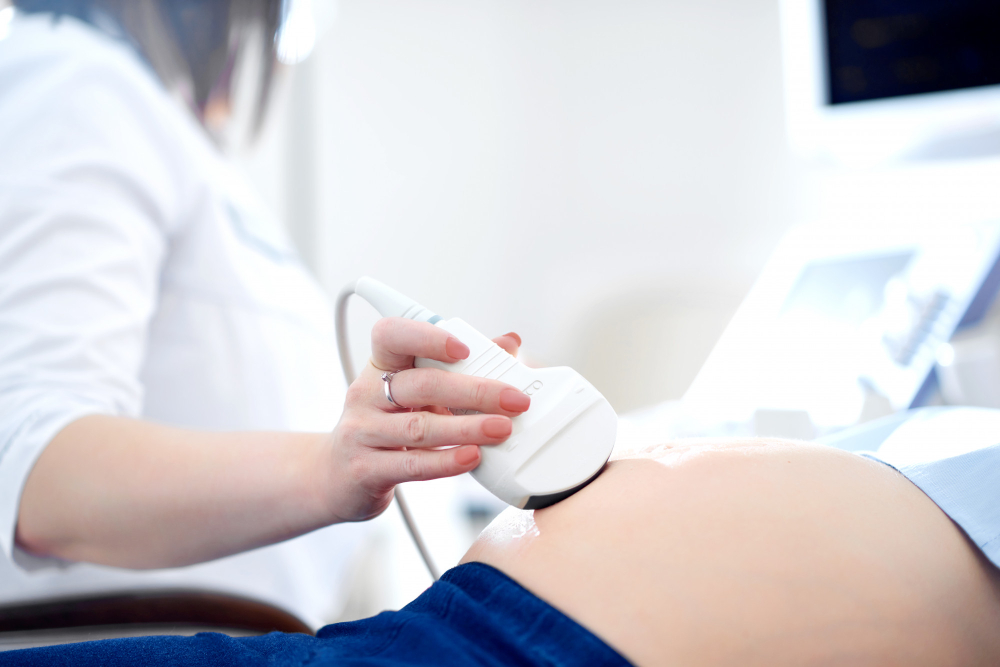
During the fetal echocardiogram procedure, a trained specialist uses a small device called a transducer. This device moves over your belly and sends sound waves into your body. These waves create pictures of your baby’s heart on a screen. The test is painless and does not harm you or your baby. Usually, it takes about 30 to 60 minutes.
When Is Fetal Echocardiography Recommended?
Doctors often recommend this test between 18 and 24 weeks of pregnancy. However, it can be done earlier or later if needed. If you have risk factors or your doctor finds something unusual, you may need the test sooner. In the United States, many clinics offer this service near you.
What Can Parents Expect During and After the Test?
Before the test, you may be asked to drink water to fill your bladder. This helps get clearer images. During the test, you will lie on a table while the specialist moves the transducer over your belly. You may see your baby’s heart on the screen. After the test, you can go home right away. Your doctor will discuss the results with you soon after.
Benefits and Limitations
Fetal echocardiography offers many benefits. For instance, it helps find heart problems early. This allows doctors to plan treatment before or after birth. However, like any test, it has limits. Sometimes, not all heart issues can be seen before birth. Also, the test may not give clear results if the baby is in a tricky position.
Safety and Risks
Fetal echocardiography is very safe. It uses sound waves, not radiation. According to the CDC and WHO, there are no known risks to you or your baby. Still, it is only done when needed, to avoid unnecessary tests. If you have concerns, talk to your healthcare provider.
How to Prepare for the Procedure
Preparing for fetal echocardiography is simple. Often, you do not need to do much. However, your doctor may ask you to drink water before the test. Wear comfortable clothes, as you may need to expose your belly. Bring any questions you have to the appointment. This way, you feel more at ease during the test.
Frequently Asked Questions (FAQs)
Conclusion
Fetal echocardiography is a helpful tool for checking your baby’s heart health. It is safe, simple, and gives important information. If your doctor recommends this test, you can feel confident about its safety and value. For the best advice, consult your healthcare provider or a radiology specialist at Shree Diagnostics for personalized guidance.