
Introduction to USG Scan in Pregnancy
During pregnancy, many mothers hear about the importance of a USG scan in pregnancy. USG stands for ultrasound sonography. It is a safe and common way to check your baby’s health. In fact, doctors use USG scans to see how your baby is growing inside the womb. Because of this, USG scans are a key part of prenatal care.
Why USG Scans Are Important During Pregnancy
USG scans help doctors monitor your baby’s health with USG. They can spot problems early and guide your care. For example, USG scans can:
Because of these reasons, USG scans are very helpful during pregnancy.
How USG Scans Work: The Procedure Explained
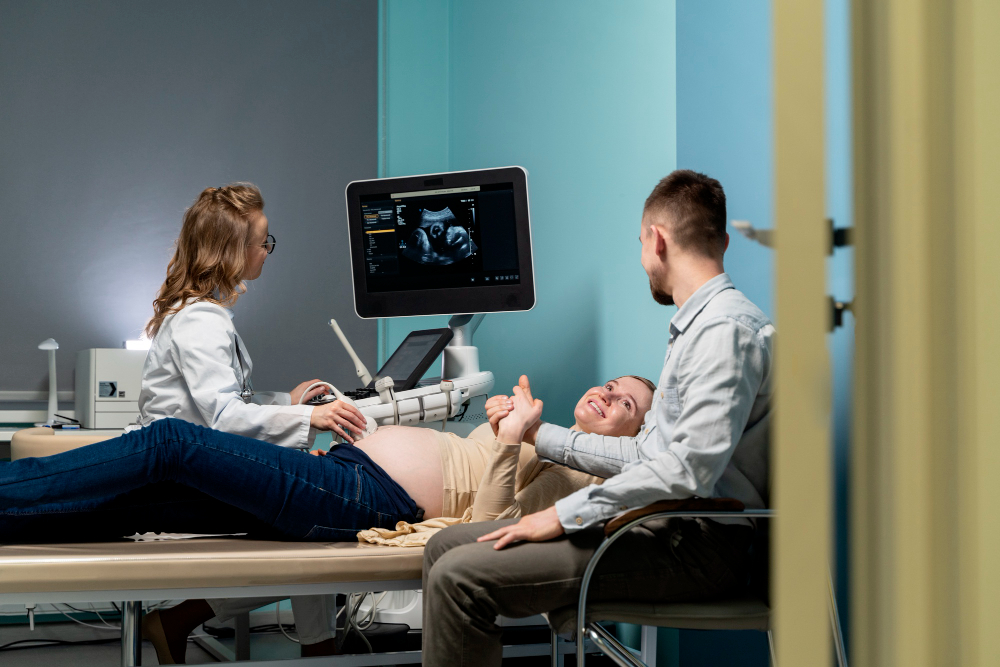
USG scans use sound waves to create pictures of your baby. The process is simple and painless. First, a gel is put on your belly. Then, a small device called a probe moves over your skin. The probe sends sound waves into your body. These waves bounce back and create images on a screen. As a result, doctors can see your baby in real time. The whole pregnancy ultrasound procedure usually takes about 15 to 30 minutes.
Safety of USG Scans for Mother and Baby
Many mothers worry about ultrasound safety during pregnancy. However, USG scans are very safe. They do not use radiation like X-rays. According to the World Health Organization (WHO) and the Centers for Disease Control and Prevention (CDC), there is no known risk to the mother or baby when USG scans are done by trained professionals. Still, doctors only recommend scans when needed to avoid unnecessary exposure.
When and How Often USG Scans Are Done
Most women have at least two USG scans during pregnancy. The first scan is often done between 6 and 9 weeks. This early scan checks the baby’s heartbeat and confirms the pregnancy. The second scan, called the anomaly scan, is usually done between 18 and 22 weeks. This scan looks for birth defects and checks the baby’s growth. Sometimes, doctors may suggest more scans if there are special concerns. For example, if you have twins or certain health conditions, you may need extra scans. Always follow your doctor’s advice about when to get USG scan in pregnancy.
What to Expect: Before, During, and After the Scan
Before the scan, you may be asked to drink water. A full bladder helps get clearer images. During the scan, you will lie on a bed. The gel may feel cold, but the scan does not hurt. You can see your baby’s image on the screen. After the scan, you can wipe off the gel and go home. Usually, there are no side effects. However, if you have questions, ask your doctor right away.
Common Myths and Facts About USG Scans in Pregnancy
There are many myths about USG scans. Let’s clear up some facts:
Because of these facts, you can feel more confident about USG scans.
Tips for Expectant Mothers Regarding USG Scans
Here are some helpful tips for your USG scan:
With these tips, you can have a smooth and safe experience.
Conclusion and Next Steps
In summary, a USG scan in pregnancy is a safe and important tool. It helps monitor your baby’s health and supports a healthy pregnancy. If you have any concerns, always talk to your doctor. Consult your healthcare provider for personalized advice on USG scans during pregnancy.