Introduction: The Importance of Checking the Nasal Bone During Pregnancy
During pregnancy, doctors perform many tests to ensure your baby is healthy. One important check is the nasal bone during pregnancy. This simple step can give clues about your baby’s growth and development. In fact, doctors often use a nasal bone ultrasound in pregnancy to look for early signs of certain conditions. Understanding why this check matters can help you feel more confident during your prenatal visits.
What Is the Nasal Bone and Its Role in Fetal Development?
The nasal bone is a small bone in the middle of your baby’s face. It helps form the bridge of the nose. As your baby grows, the nasal bone develops along with other facial features. A well-formed nasal bone is a sign that your baby’s face is developing as expected. Moreover, the nasal bone supports the nose and helps with breathing after birth.
Why Do Doctors Check the Nasal Bone During Pregnancy?
Doctors check the nasal bone during pregnancy to look for signs of certain genetic conditions. For example, the absence or underdevelopment of the nasal bone can be linked to Down syndrome and other chromosomal problems. Because of this, fetal nasal bone screening is a key part of many prenatal checkups. Early detection helps doctors plan the best care for you and your baby.
How Is the Nasal Bone Assessed? (Ultrasound and Timing)
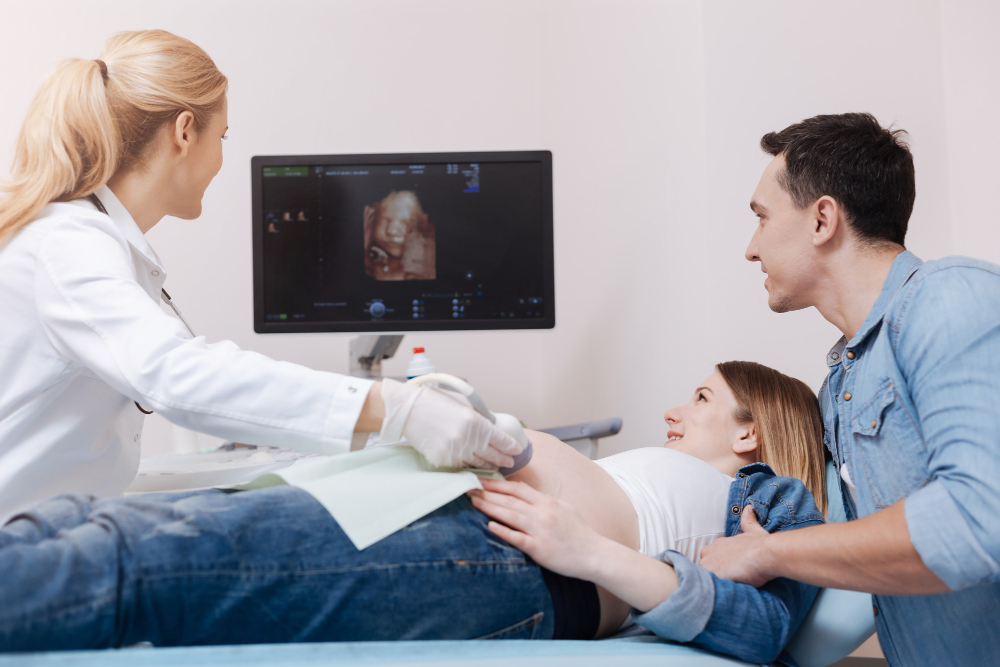
Doctors use an ultrasound to check the nasal bone. This test is safe and painless. Usually, the best time for a nasal bone ultrasound in pregnancy is between 11 and 14 weeks. During the scan, the doctor looks at your baby’s profile to see if the nasal bone is present. Sometimes, a follow-up scan may be needed if the view is unclear.
What Does the Presence or Absence of the Nasal Bone Indicate?
The presence of the nasal bone is usually a good sign. It means your baby’s face is developing normally. However, if the nasal bone is missing or very small, doctors may look for other signs. This is because nasal bone absence meaning can be linked to genetic conditions like Down syndrome. Still, it is important to remember that not all babies without a visible nasal bone have health problems. Sometimes, the bone is just hard to see on the scan.
Common Concerns and FAQs for Expectant Parents
Guidance on Next Steps if an Abnormality Is Detected
If your doctor finds an abnormal nasal bone, do not panic. First, they may suggest more tests, such as a detailed ultrasound or a blood test. Sometimes, genetic counseling is offered. These steps help confirm if there is a real problem. Remember, many babies with a missing nasal bone are born healthy. Always talk with your healthcare provider about your options.
Prevention and Lifestyle Tips for a Healthy Pregnancy
While you cannot control every part of your baby’s development, you can take steps for a healthy pregnancy. For example:
These habits support your baby’s growth and lower the risk of problems.
Conclusion: Talk to Your Doctor for Personalized Advice
Checking the nasal bone during pregnancy is a simple but important step. It helps doctors spot possible concerns early. If you have questions about fetal nasal bone screening or your ultrasound results, consult your healthcare provider for personalized advice about prenatal screening. Your care team is there to support you every step of the way.